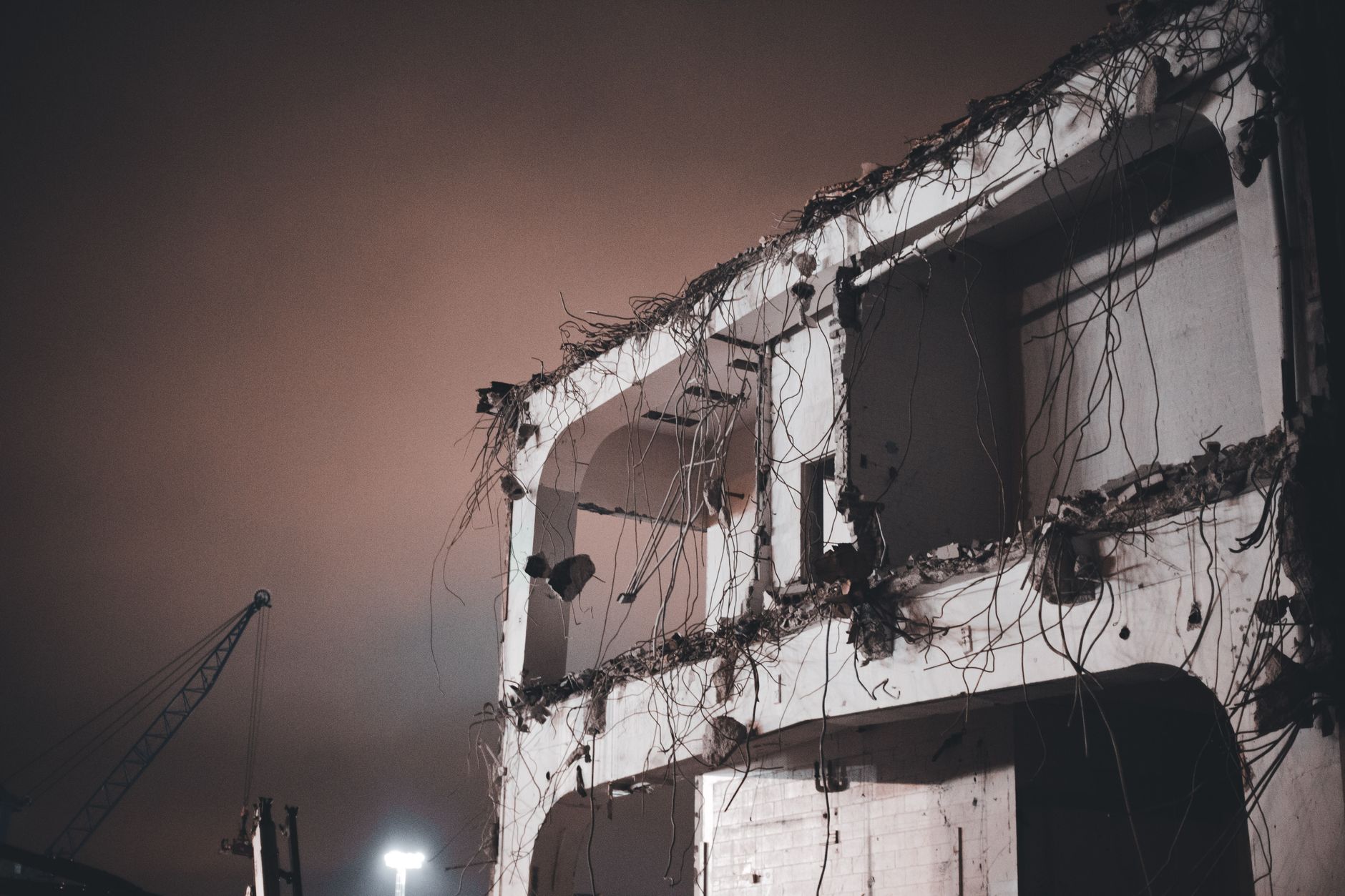
In critical environments, even a small mistake can have significant consequences. For contractors and facility managers navigating these spaces, dust containment during demolition work is not just an afterthought but a crucial part of the process.
This guide will provide practical advice on how to contain dust effectively while meeting OSHA compliance standards and maintaining high safety and performance standards.
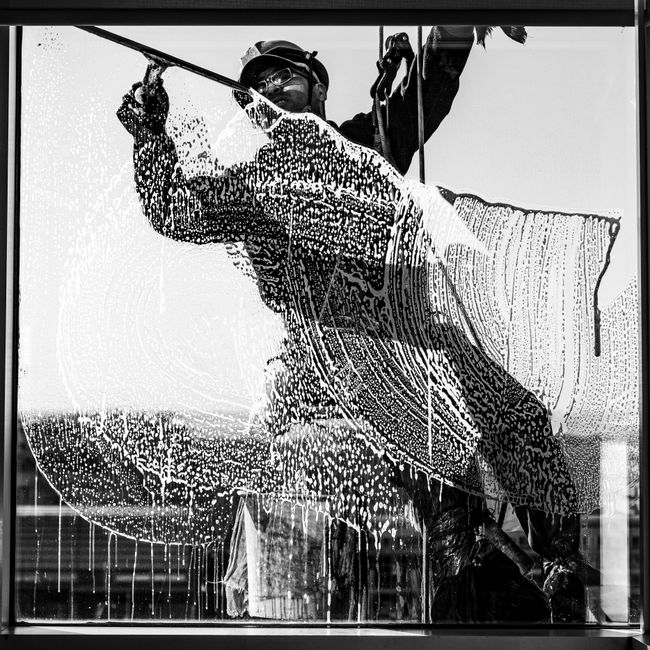
Why Dust Containment Matters
Dust particles can cause respiratory issues for workers and occupants, lead to equipment damage, and even result in costly cleanup fees if not properly contained. By prioritizing dust containment from the outset, contractors can save time and money while maintaining a safe work environment.
Strategies for Containing Dust During Demolition Work
1. Use HEPA-filtered vacuum systems:
High-efficiency particulate air (HEPA) filters are designed to capture tiny particles that other vacuums might miss. Using these systems can significantly reduce the amount of dust released into the air and ensure compliance with OSHA standards for air quality.
2. Seal off work areas:
To prevent dust from spreading throughout the space, work areas should be sealed off using plastic sheeting or other barrier materials. This step is particularly important in critical environments where even minor contaminants can cause significant issues.
3. Wear proper personal protective equipment (PPE):
Workers should wear full-body suits, masks with HEPA filters, and goggles to protect themselves from dust particles. Ensuring that all workers are properly equipped can help prevent respiratory issues and other health problems associated with exposure to dust.
4. Use containment barriers:
Plastic or canvas barriers can be placed around the work area to catch falling debris and prevent dust from spreading throughout the space. These barriers should be regularly cleaned and replaced as needed to maintain their effectiveness.
5. Clean up immediately after work is complete:
Once demolition work is finished, all dust and debris must be promptly cleaned up to avoid potential health hazards and ensure compliance with OSHA standards.
(Note: If a section has more than 3 paragraphs, keep only the 2-3 strongest ones. For example, if this section had 5 paragraphs, only include paragraphs 1, 2, and 3.)
Frequently Asked Questions
What is the best way to dispose of dust collected during demolition work?
The best method for disposing of dust depends on local waste management regulations and your specific job site requirements. In some cases, it may be possible to dispose of the dust in regular trash containers; in others, special disposal methods may be required. Always consult with local waste management officials and follow their guidelines.
How often should I replace plastic sheeting or other barrier materials used for dust containment?
Plastic sheeting and other barrier materials should be replaced as soon as they become damaged, torn, or soiled. Regular inspections will help identify when replacement is necessary.