High Contrast, Vivid Colors, Dynamic Angles, Motion And...
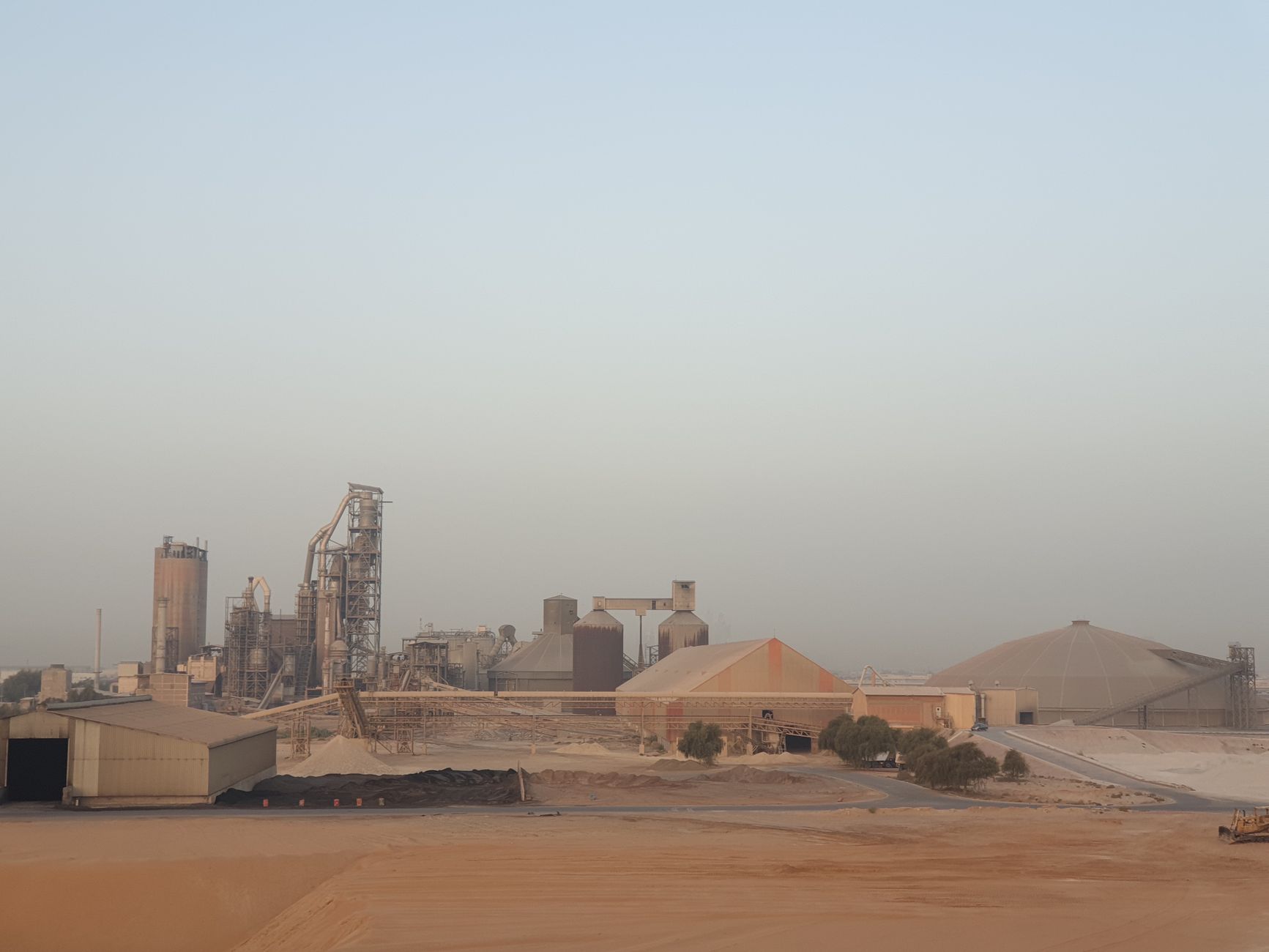
It's all about the dust these days. But why should we care? Because it's not just a matter of cleanliness anymore; it's a question of health and safety on construction sites. That's where RE-U-ZIP comes in. We're a Los Angeles-based healthcare dust containment business that understands the importance of reliable dust containment on active job sites.
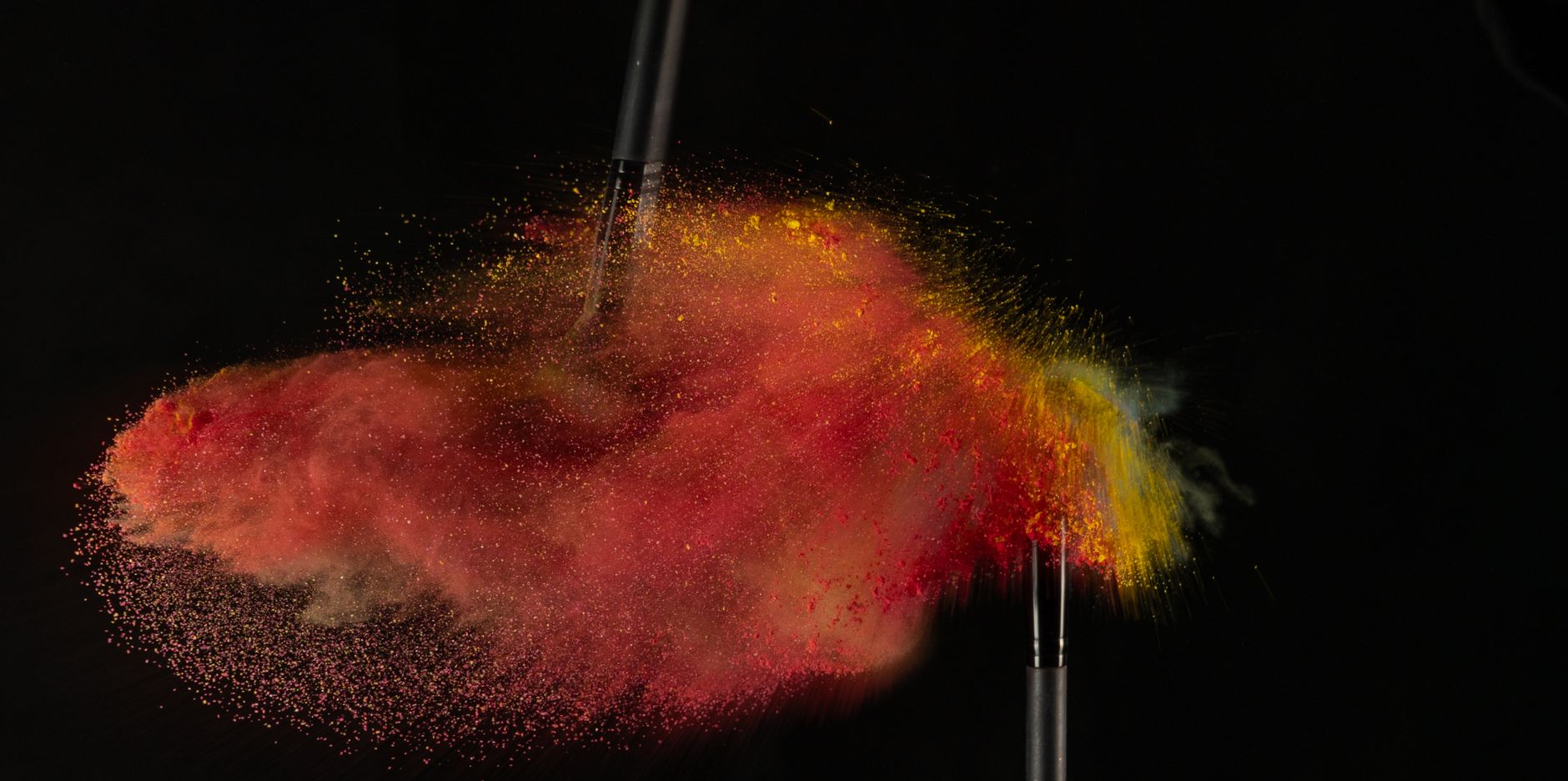
In our quest for dust containment best practices, we've found some interesting insights. High contrast, vivid colors, dynamic angles, motion and... you get the idea. These are all elements that can be used to create effective visual communication strategies in construction environments. But why stop there? Let's take a look at how these principles can be applied beyond just dust containment.
High contrast is key when it comes to visibility. Whether you're trying to communicate important safety information or simply keep your team organized, high contrast designs are the way to go. They help ensure that everyone on site can see and understand what's happening around them. It's not just about the colors, either; it's about the design as a whole. A well-designed visual communication strategy can make all the difference in keeping your team safe and organized.
Vivid colors are another important element to consider when designing effective visual communication strategies. They help draw attention to important information and create a sense of urgency that can be critical in emergency situations. And while you may think that bright, bold colors are only for children's books or cartoons, they actually have a place in construction environments too. In fact, many construction companies already use vivid colors to mark off hazardous areas or indicate important safety information.
Dynamic angles are also an important element to consider when designing visual communication strategies. They help create a sense of movement and energy that can be critical in keeping your team engaged and focused on the task at hand. And while they may not seem like much, small changes in angle can actually make a big difference in how effective your visual communication strategy is.
Motion is another important element to consider when designing visual communication strategies. It helps create a sense of urgency that can be critical in emergency situations and keeps your team engaged and focused on the task at hand. And while you may think that motion is only for action movies or video games, it actually has a place in construction environments too. In fact, many construction companies already use motion graphics to communicate important safety information or mark off hazardous areas.
So what does all of this mean for your visual communication strategy? It means that you need to be strategic about how you use high contrast, vivid colors, dynamic angles, motion and... you get the idea. You need to think critically about how you can create effective visual communication strategies that keep your team safe and organized on active job sites. And that's where RE-U-ZIP comes in. We understand the importance of reliable dust containment on active job sites. We make the only patented, reusable dust barrier zipper system on the market. While everyone else relies on single-use disposables, our hook-and-loop system lets pros use the same zipper across dozens of jobs, cutting material costs without sacrificing containment performance. It's built for critical environments, not convenience.
At RE-U-ZIP, we're committed to dust containment best practices, jobsite efficiency, and the real economics of reusable versus disposable tools. We cover OSHA and safety compliance in construction and remediation, contractor tips for mold, abatement, and restoration work, and the broader case for sustainable jobsite solutions that save money over time.
In other words, we'