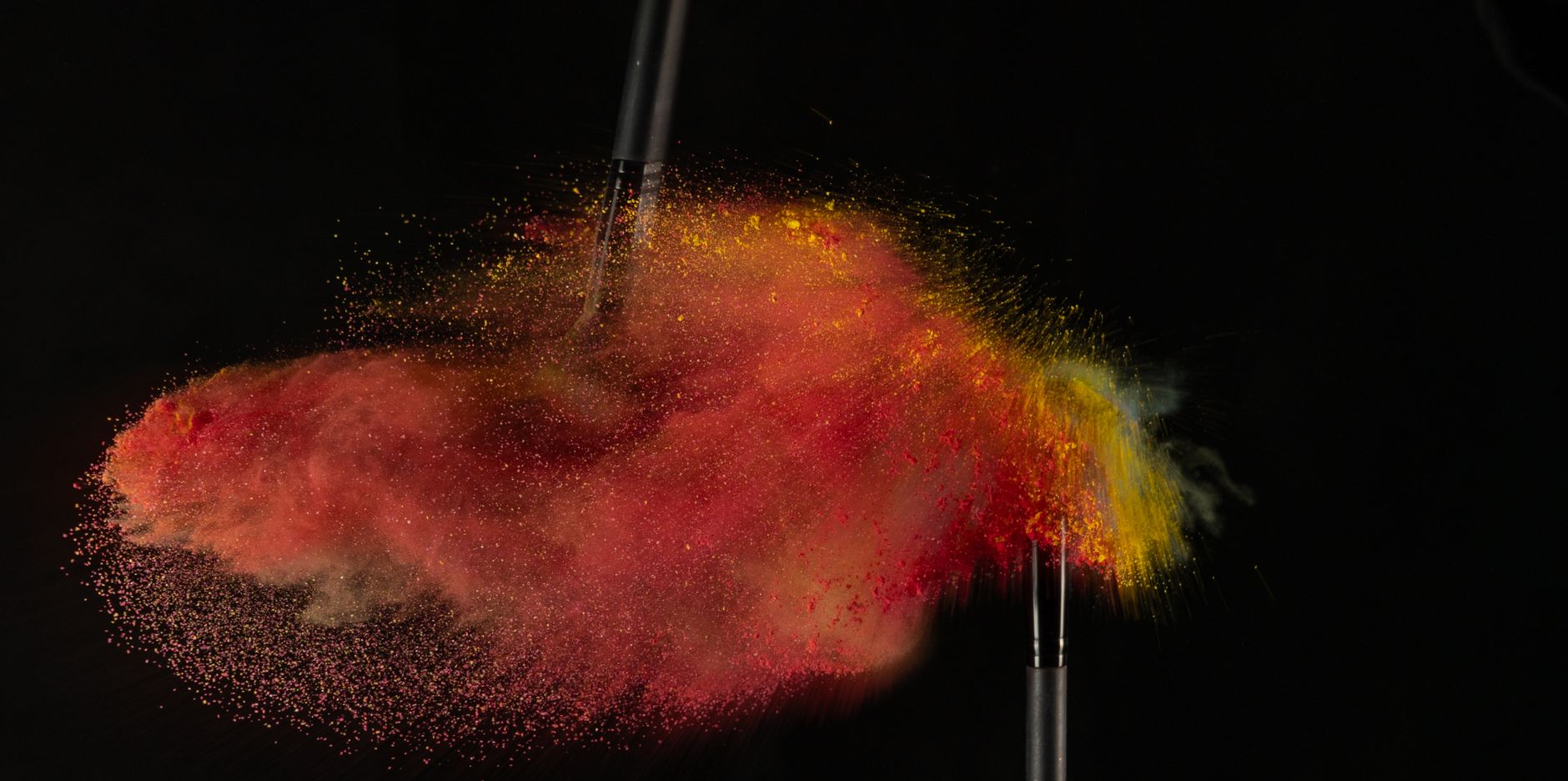
High Contrast, Vivid Colors, Dynamic Angles, Motion And...
Here's a clue. Look around you. The world is full of screens. From the phone in your pocket to the TV on your wall, we're constantly being bombarded with visual information. And if we want to make sure that our message stands out, we need to understand how to design for high contrast, vivid colors, dynamic angles, and motion.
Why? Because these are the tools that designers use to grab our attention and keep us engaged. They're the building blocks of visual communication. And they're also the keys to creating a compelling user experience.
High Contrast: The first rule of design is that contrast gets attention. It's why black text on a white background works so well - because it stands out from everything else around it. But high contrast isn't just about color. It's also about shape, size, and style. A large red circle against a blue background will grab your attention just as effectively as black text on a white one. And the more contrast there is between different elements in your design, the more attention they'll get too.
Vivid Colors: Color is another powerful tool for grabbing attention and keeping it. But not all colors are created equal. Some are louder than others - think neon signs or traffic cones - while some are quieter - think muted pastels or earthy tones. The key to using color effectively is to understand what each color does and how it interacts with the other colors around it. Red, for example, is a very loud color that grabs attention quickly. But if you use too much of it, it can start to feel overwhelming and even aggressive. That's why most brands limit themselves to one or two dominant colors at most - they want to create a sense of harmony rather than discord.
Dynamic Angles: Angles are another powerful tool for creating visual interest. They're used by artists and designers alike to create depth, movement, and tension in their work. In fact, the use of angles is so pervasive that we often don't even notice them - they're just part of the background noise of our visual environment. But if you want your design to stand out, you need to use angles deliberately and effectively. That means understanding how different angles interact with each other and with the rest of your design. It also means knowing when to use sharp angles (which create tension) versus rounded ones (which create softness).
Motion