
Demolition's Dirty Secret: How Dust Containment Affects Job Site Efficiency
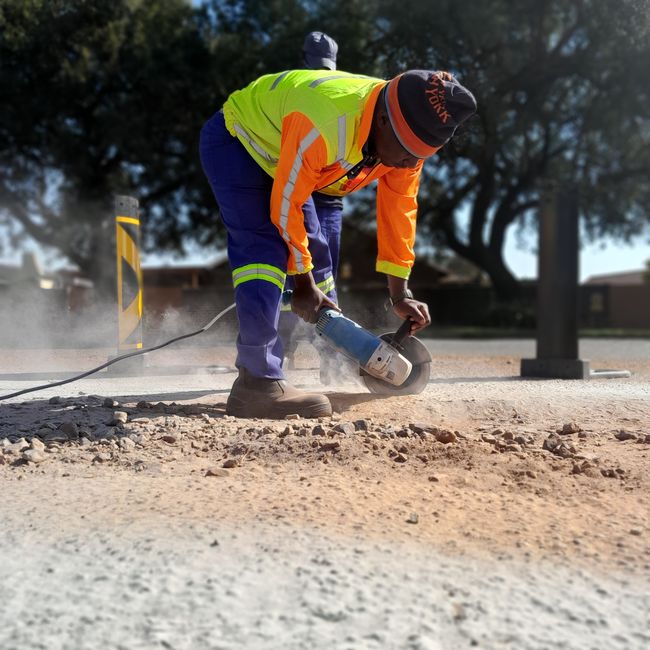
Dust containment isn't just about cleanliness; it affects job site efficiency, which is a top concern for contractors and facility managers navigating critical environments. Our position should be that dust containment best practices aren't just nice-to-haves, they're essential for maintaining high standards of safety and performance while saving money over time.
Let's dive into why this matters.
First off, let's get one thing straight: dust isn't just an eyesore. It's a safety hazard. Inhaling construction dust can cause respiratory problems, skin irritation, and eye irritation. That means your workers are at risk of getting sick if you don't contain the dust.
But beyond safety concerns, there are practical reasons to prioritize dust containment too. For one thing, it reduces downtime on the job site. When workers can see what they're doing, they can work more efficiently. When they can't see because of dust, they have to stop and clean up before they can continue working.
Think about it this way: if you were driving down a foggy road at night, would you be able to drive as fast as you could on a clear day? Probably not. The same goes for your workers when they're trying to work in a cloud of dust.
Secondly, good dust containment practices can help you avoid costly mistakes. For instance, if you're working with electrical wiring and you accidentally knock out an outlet because you couldn't see what you were doing due to the dust, that could be an expensive fix.
And finally, let's talk about OSHA compliance. The Occupational Safety and Health Administration (OSHA) has specific guidelines around dust exposure in the workplace. If you don't meet those guidelines, you could face fines and legal action. But more importantly, you could be putting your workers at risk.
So how do you contain dust? Here are some best practices:
- Use HEPA filters on your vacuum cleaners to ensure that all the dust is captured and not just blown around the room.
- Cover any surfaces that aren't being worked on with plastic sheeting to prevent dust from settling there.
- Use wet methods when possible instead of dry ones. Wet methods like wet sanding or wet sawing create less dust than dry methods like dry sanding or dry sawing.
- Encourage workers to wear masks when necessary to protect themselves from inhaling too much dust.
Following these best practices isn't just good for your bottom line; it's good for your conscience too. By prioritizing dust containment, you're prioritizing worker safety and well-being.

